
What is Annealing and Why is it Important?

Annealing is a heat treatment that heats metal to a set temperature, holds it there, then cools it slowly. It softens the metal, relieves internal stress and restores ductility, so the metal can be bent, drawn or formed again without cracking.
How Annealing Works
Annealing is a heat-treating process that counteracts work hardening by changing the metal’s properties, restoring the material to its original crystalline structure and resilience. This critical step allows the metal to continue through additional shaping processes, ensures product integrity and makes transportation and storage practical. Annealing is used across many different metals industries from API Pipe Welding, Copper and Aluminium Tube production to Wire production and more.
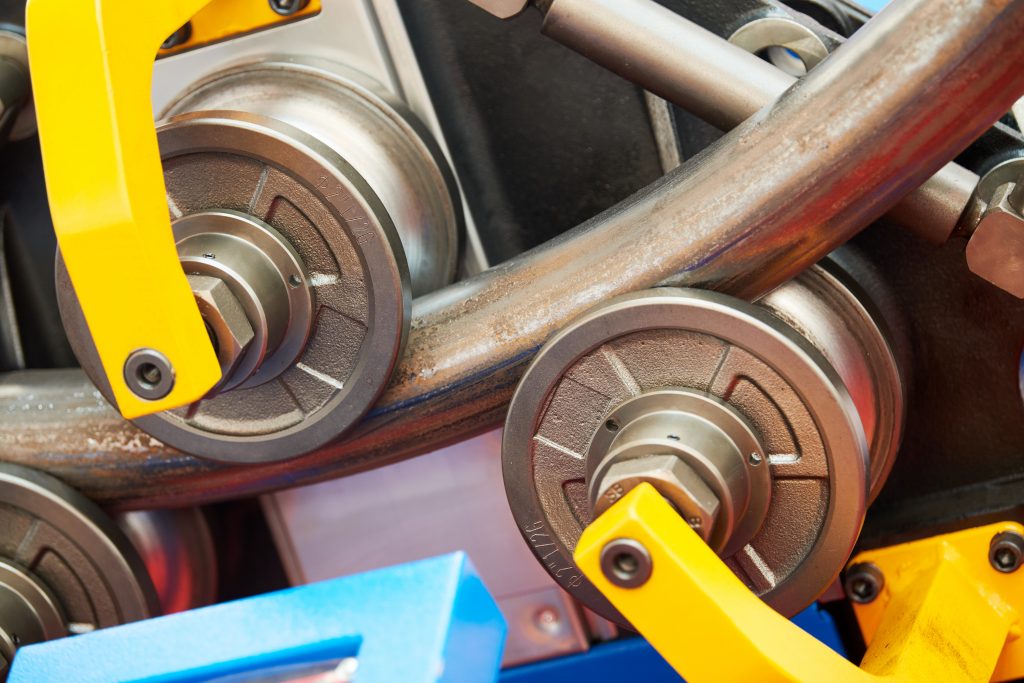
Forming metal into cylindrical pipe, tube and wire requires multiple phases of shaping and stretching to achieve the desired diameter and thickness. But the material can only be worked so many times before its natural crystalline structure is altered, and it becomes “work hardened.” Like the name implies, work hardening is when a metal has been processed several times and hardened to the point where it becomes brittle. Attempt to process work-hardened metal any further, and you’re likely to snap it or damage the dies used to draw the material into shape.
Why annealing is important
Depending on the product, the consequences of not annealing can range from inconvenient to dire. Imagine trying to transport wire that breaks if bent. Such brittle material would have to be cut to straight lengths to fit a truck bed, train car or shipping container, never mind trying to piece it together to wire a building or car, or to transport electricity.
And that copper tubing that helps cool your vehicle’s engine (and passengers)? Without copper annealing, that copper could crush and snap at the manufacturer’s first attempt to coil it into the compact space under the hood.
Or, consider pipes used to transport oil and fuel. The American Petroleum Institute (API) sets rigorous standards for these pipes because they must withstand rugged terrain and intense pressure. A crack in the weld seam could lead to a catastrophic spill.
Whatever form the metal must take, annealing removes undesirable hardness, so wire can be spooled onto reels for easier transportation and storage, so copper tubing becomes malleable to form tight turns and so API pipe has durable, reliable welds.
Induction Annealing
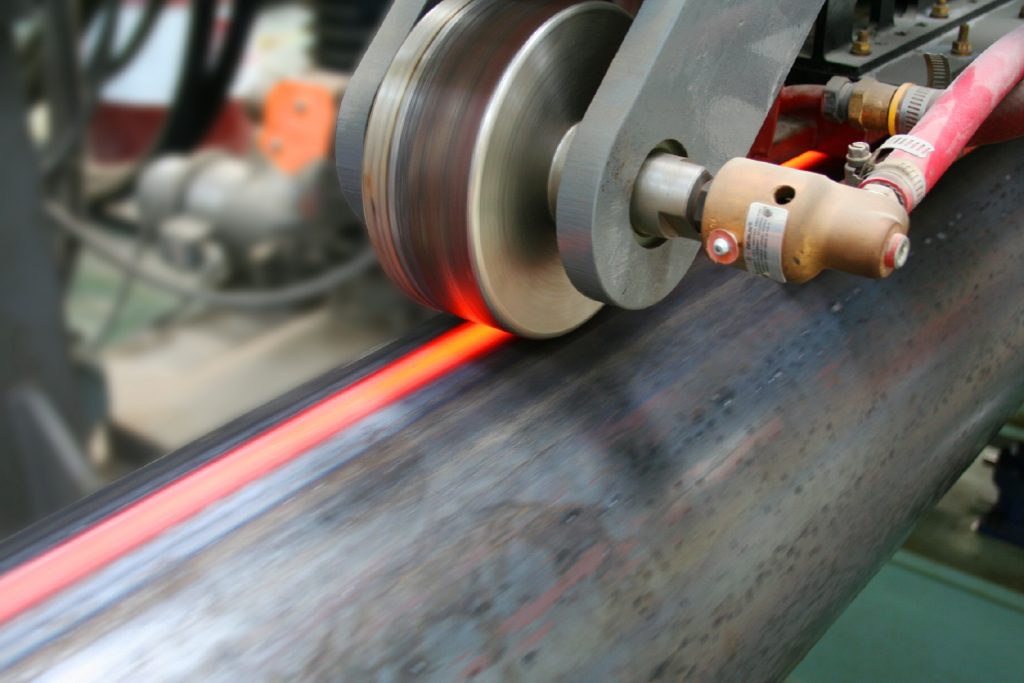
More specifically, induction annealing uses (you guessed it!) induction heating to precisely control the temperature during the annealing process. It applies heat uniformly, precisely controlling the heating time and temperature to achieve the right properties for the product being produced.
Annealing in pipe, tube and wire production
If you’ve ever looked closely at your vehicle’s air conditioning system or engine radiator, you might have noticed lots of tightly woven aluminum tubing. Whether forming an intricate tube design, massive, durable pipes or thin, conductive wire, metal production is a multi-stage science. Understanding how the product will be used and the specs it needs to meet is essential for optimising your annealing equipment and processes, so you can deliver a quality product every time.
Choosing annealing equipment
The purpose of the finished product helps guide the annealing process and what type of equipment is best suited to yield the required specifications. Annealing equipment uses gas, electric or induction to generate heat. Here’s what you need to know about each.
Gas
Gas-powered heating elements burn gas to create heat. It’s common in batch furnaces, where an operator can load multiple wire or tube coils or a basket of components into the furnace to heat for a longer period. These workhorses are popular because of their lower price point, large load capacities and component range compatibility. On the downside, gas furnaces require preheating to achieve the appropriate temperature for annealing and lack precise temperature control.
Electric
Resistance electric converts electrical current into heat and is another popular style of batch furnace. Similar to their gas-powered counterparts, these models are available at lower prices, accommodate large loads and are flexible in component range. While the electric coils heat faster than gas-powered models, they also hold heat longer, making it difficult to achieve precise temperatures for set intervals.
Induction
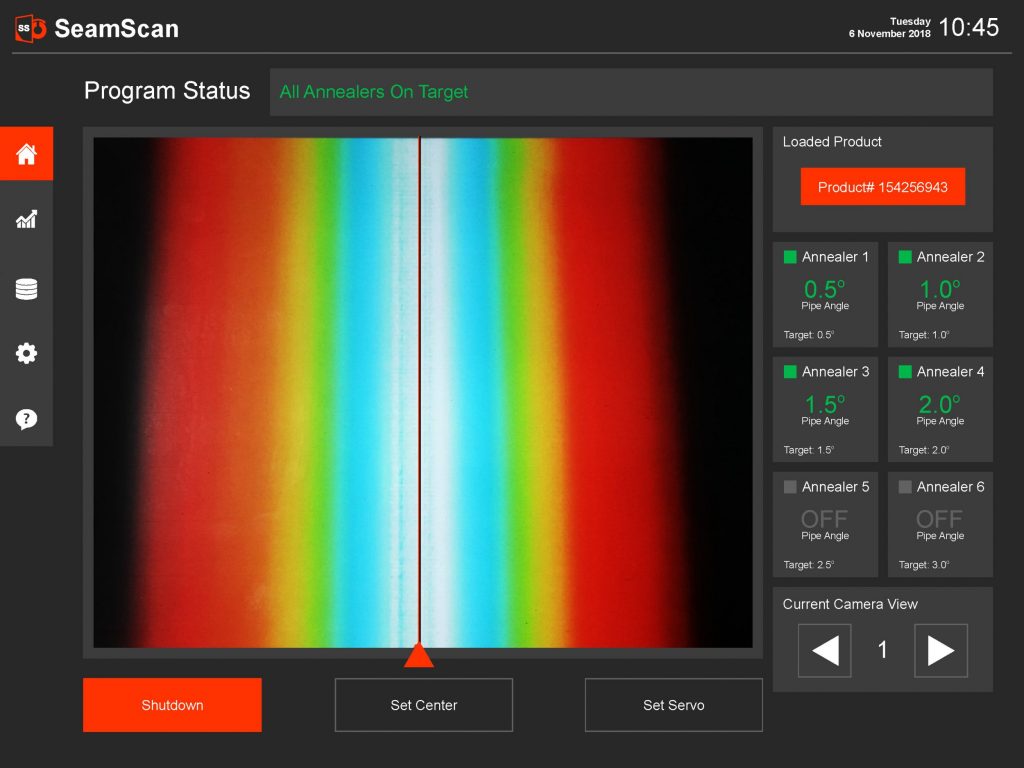
Induction uses coils to create a continually fluctuating magnetic field that generates an electrical current and, subsequently, heat. While the technology often comes at a higher price, it reaches temperature quicker (and therefore more efficiently) than gas or electric. It offers precision heat affected zones (HAZ) and meticulous temperature control to ensure process repeatability. As an added bonus, it can be positioned in-line to other manufacturing processes to save floor space, reduce secondary handling time and processing time and eliminate duplicative handling equipment. When product specs require exact parameters, induction annealing delivers.
Whatever your application, consult with a trusted expert to identify the right annealing equipment for your unique process and product specifications.
Frequently asked questions
What does annealing do?
Annealing softens metal and makes it more ductile. Forming processes such as drawing, bending and rolling leave metal hard and brittle, a condition called work hardening. Annealing heats the metal and cools it slowly, which lets its internal crystal structure reform. This relieves internal stress, so the metal can be shaped further without cracking.
What is annealed metal?
Annealed metal has been heat treated to restore its softness and ductility after it was worked or formed. Compared with work-hardened metal, it bends and stretches more easily, cracks less, and is often more electrically conductive. Annealed copper tube, wire and steel strip are common examples used in manufacturing.
What is an annealer?
An annealer is the equipment that performs annealing. It may be a gas-fired furnace, an electric furnace or an induction system. In pipe, tube and wire production, inline induction annealers, such as seam annealers and bright annealing lines, heat material as it moves through the line, so it doesn’t have to be batch processed separately.
How is copper annealed?
Copper is annealed by heating it above its recrystallization temperature, holding it long enough for the grain structure to reform, and then cooling it. Copper can be cooled quickly without re-hardening. In tube and wire production, copper is often annealed inline with induction heating under a protective atmosphere, which prevents oxidation and keeps the surface bright.
What temperature is copper annealed at?
Copper is typically annealed at about 700-1200°F (370–650°C). The exact temperature depends on the alloy, how much it has been worked, and how long it’s held at heat. Thin wire anneals faster and at the lower end of the range, while heavier sections need more time.
What is the difference between annealing and stress relieving?
Both are heat treatments, but annealing heats metal enough to fully soften it and restore ductility. Stress relieving uses a lower temperature to reduce internal stresses from welding, machining or forming, without significantly changing the metal’s hardness or strength. It’s common after welding pipe and structural components.
What is induction annealing?
Induction annealing uses an electromagnetic field to heat metal directly, with no flame or furnace. It heats quickly and precisely, and it can target just one zone, such as a weld seam. That makes it well suited to continuous, inline production of pipe, tube and wire.